




![[HN-HCM CLINIC] SPECIALISING DERMATOLOGY AESTHETIC CLINICS IN SKIN IN VIETNAM - AESTHETIC CENTER NEAR ME](https://demo.rohtoaohalclinic.com.vn/vnt_upload/news/03_2024/thumbs/100_rohto.png)
Clinic 2: 207/4 Nguyen Van Thu, Tan Dinh Ward, Ho Chi Minh City
Hotline: (028) 3827 9737
Clinic 3: 50 Nguyen Thi Thap, Tan Hung Ward, Ho Chi Minh City
Hotline: (028) 6686 8048
Email: info@rohtoaohalclinic.com.vn


Whether it’s a symbol of youth, an old flame, or simply a decision you no longer relate to, many people are seeking ways to remove unwanted tattoos. The good news? Laser tattoo removal has become more effective, safer, and more accessible than ever before. This article explains everything you need to know if you're looking for “tattoo removal near me”—from how the procedure works, what to expect, the latest technologies, costs, aftercare, and how to choose the best clinic in your area, including one of the most trusted names: ROHTO AOHAL CLINIC.

Laser tattoo removal targets ink in the dermis, breaking it into particles that the body naturally clears through the lymphatic system.
Tattoo removal involves the use of medical-grade lasers that emit short, intense pulses of light energy. These pulses are absorbed by the tattoo ink particles, which are then shattered into microscopic fragments. Unlike other skin treatments, tattoo removal is uniquely designed to target pigments without damaging surrounding tissues.
Once the ink is broken down, your body’s lymphatic system flushes the particles out over the following weeks. That’s why tattoo fading continues even after each session. The speed and effectiveness of this process depend largely on your immune response, general health, and how well you follow aftercare instructions.
Ink Color: Black ink responds best to laser treatment, while bright colors like red, green, and yellow can be more resistant.
Tattoo Age: Older tattoos are generally easier to remove because the ink has already faded over time.
Depth and Placement: Ink located deeper in the skin or on areas with poor circulation (e.g., ankles, fingers) may require more sessions.
Skin Tone: Patients with darker skin require more precise laser settings to avoid pigment changes.

This is the most widely used technology for removing black and blue tattoos. It operates on two wavelengths—1064nm and 532nm—allowing it to treat both deeper and more superficial pigment layers. ROHTO AOHAL CLINIC utilizes Q-switched Nd:YAG systems to safely treat various tattoo types with high efficiency and minimal side effects.

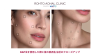
Visible improvements can be seen before and after treatment with picosecond laser technology, which breaks down tattoo ink more efficiently for faster fading and recovery.
A newer innovation, picosecond lasers deliver energy in trillionths of a second, shattering ink into finer particles. This allows the body to eliminate them more rapidly. These lasers can reduce the number of sessions needed and are particularly effective on stubborn inks and multicolored tattoos.
Used for more complex pigments like green, teal, and red, Alexandrite lasers emit light at a 755nm wavelength. They offer high precision but must be used with caution on darker skin tones due to increased risk of pigmentation issues.
|
Laser Type |
Best For |
Downtime |
Side Effects |
|
Q-switched Nd:YAG |
Black, blue, some red |
Low |
Temporary redness |
|
Picosecond |
Stubborn colors, all skin types |
Minimal |
Less discomfort |
|
Alexandrite |
Green, teal, red |
Moderate |
Hyperpigmentation risk |
Your journey begins with a consultation. A trained dermatologist will evaluate your tattoo, skin type, and overall health. Medical history is important to rule out contraindications like active skin conditions or medications that increase photosensitivity.
The dermatologist will explain how many sessions are needed, the type of laser to be used, intervals between sessions, and what kind of results you can expect.
The average patient requires between 5 to 10 sessions spaced 6 to 8 weeks apart. This depends on the tattoo’s size, color complexity, depth, and how your body responds to each treatment.
Laser tattoo removal is considered a safe procedure, but you may experience temporary effects including:
Redness and mild swelling
Blistering (usually minor)
Scabbing and peeling
These are all signs that your skin is healing and that your body is processing the ink particles.
Keep the treated area clean and dry.
Apply prescribed healing ointments (e.g., antibiotic cream).
Avoid sun exposure and use sunscreen (SPF 30 or higher).
Avoid scratching or picking at the skin.
If you notice signs of infection (pus, persistent swelling), scarring, or unusual pain, contact your clinic immediately for follow-up care.

As one of Vietnam’s most reputable dermatology clinics, ROHTO AOHAL CLINIC combines Japanese dermatological expertise with cutting-edge technology and local insight.
The clinic offers:
Q-switched Nd:YAG lasers with dual wavelengths for a range of ink colors
FDA-cleared laser systems ensuring safe, standardized treatments
Controlled energy delivery to minimize damage and support even healing
Each session is performed or supervised by certified dermatologists, trained both locally and in Japan. Their meticulous approach reduces side effects and improves treatment outcomes.

The doctors and technicians at ROHTO AOHAL CLINIC have extensive experience performing a wide range of laser tattoo removal procedures with proven results.
ROHTO AOHAL CLINIC ensures every patient receives:
An individualized treatment plan
Transparent, detailed pricing
Free follow-up consultations
Access to support during recovery
Board-Certified Dermatologists: Highly trained professionals with years of experience
Safety-First Protocols: Following strict Japanese standards for hygiene and clinical procedure
Transparent Pricing: No hidden costs or upselling tactics
Aftercare Support: Detailed guidance, aftercare kits, and follow-up checks at no extra cost
Clinics in Ho Chi Minh City & Hanoi: Easily accessible, with modern infrastructure
Depending on your city and clinic, the average cost per session can range from 1,000,000 to 5,000,000 VND. Packages often include discounts when multiple sessions are booked upfront.
Size and location of the tattoo
Ink density and colors used
Laser type (Picosecond may be more expensive)
Skin type (darker skin may require slower treatments)
Number of sessions needed
In most cases, no. Tattoo removal is considered a cosmetic procedure and is not covered by health insurance plans.
Licensed dermatologists and medical oversight
FDA-approved laser equipment
Clean, sterile environment
Before-and-after images from real patients
Transparent consultation without sales pressure
Deals that sound too cheap
No initial consultation or patch test
Unlicensed practitioners or outdated equipment
No mention of aftercare
Black ink tattoos often fade fastest
Multicolored designs may require more sessions
Older tattoos fade more easily
Deep or professional tattoos take longer
Expect anywhere from 5 to 15 sessions, spaced 6–8 weeks apart.
Some tattoos may only fade 80–90%, especially if bright inks are involved. Complete removal is possible in many cases with modern lasers but depends on several factors.
Lasers must be carefully calibrated to avoid damaging melanin, which could lead to:
Hyperpigmentation (dark spots)
Hypopigmentation (light patches)
Q-switched Nd:YAG lasers with a 1064nm wavelength are safer for darker skin tones, as they bypass the top melanin-rich layers.
Green, red, and yellow inks are more resistant. Picosecond and Alexandrite lasers are typically better suited for these pigments, though more sessions may be needed.
Tattoo is physically cut out, and skin is stitched
Leaves a visible scar
Suitable only for very small tattoos
Old method using abrasive tools to “sand off” skin
Higher risk of scarring and long downtime
Largely ineffective and potentially harmful
Can cause chemical burns or skin irritation
Laser removal is non-invasive, precise, and more effective over time. It reduces the chance of scarring and offers the best results when performed by qualified professionals.
Q: Does tattoo removal hurt?
A: Yes, but it’s tolerable—similar to being snapped by a rubber band. Topical numbing cream is often used.
Q: Can I get a new tattoo over the same spot?
A: Yes, but wait until the skin fully heals—usually a few months post-treatment.
Q: Is 100% removal guaranteed?
A: Not always. Some ink colors or deep tattoos may fade significantly but not entirely.
Q: Can pregnant or breastfeeding women get tattoo removal?
A: It’s not recommended due to a lack of safety data on laser effects during pregnancy.
Tattoo removal is a medical procedure—one that should be entrusted to professionals, not bargain clinics. Prioritize:
Realistic expectations
High safety standards
Experienced dermatologists
Clinics with a proven track record like ROHTO AOHAL CLINIC
Start with a free consultation at ROHTO AOHAL CLINIC to receive a personalized plan designed around your tattoo, skin type, and long-term goals!
ROHTO AOHAL CLINIC - CONTACT INFORMATION
Branch: 02 Pham Dinh Toai, Vo Thi Sau ward, District 3, Ho Chi Minh City
☎ Phone: (028) 3930 9555
Branch: 207/4 Nguyen Van Thu, Da Kao Ward, District 1, Ho Chi Minh City
☎ Phone: (028) 3827 9737
Branch: 50 Nguyen Thi Thap, Tan Hung Ward, District 7, Ho Chi Minh City
☎ Phone: (028) 6686 8048
Branch: 136 Trieu Viet Vuong, Nguyen Du Ward, Hai Ba Trung District, Ha Noi City
☎ Phone: (024) 3375 5588
Email: info@rohtoaohalclinic.com.vn

Business License No. 3700239769-001 issued on 04/07/2014 by Ho Chi Minh City Derpartment of Planning & Investment
Managed by: BRANCH NO. 2 OF ROHTO-MENTHOLATUM (VIETNAM)


